Stocking Up for Summer 2026: Working Capital Tips for Coastal NC Restaurants
Tourist season is here. See how coastal North Carolina operators are using fast, no-collateral working capital to staff up and stock inventory before the summer rush peaks.
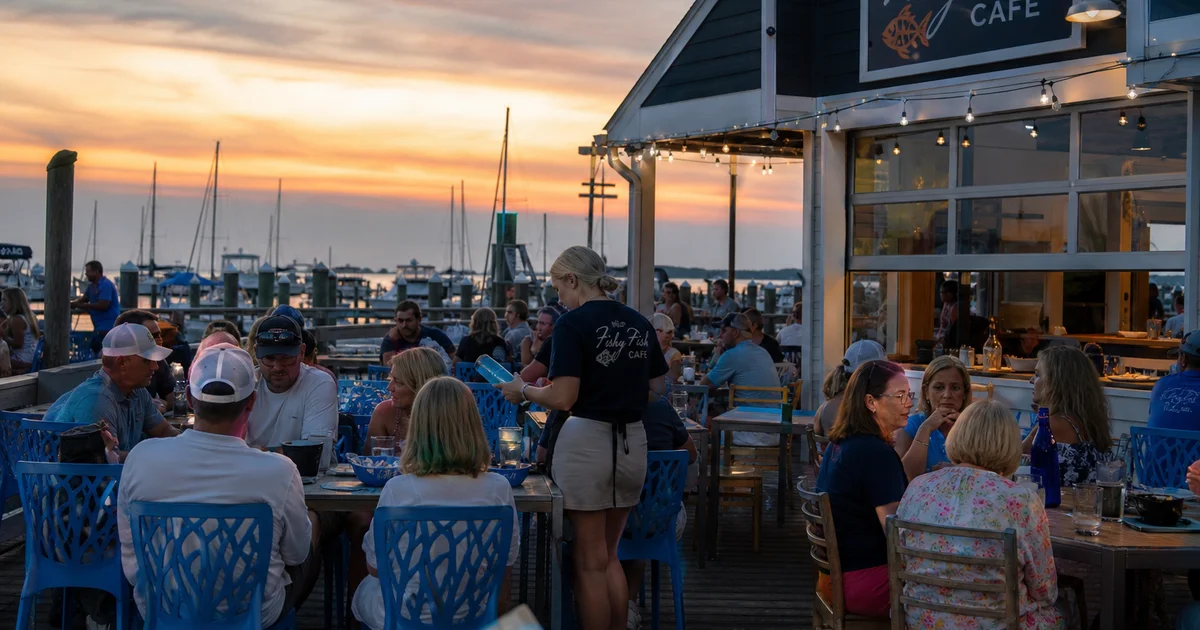
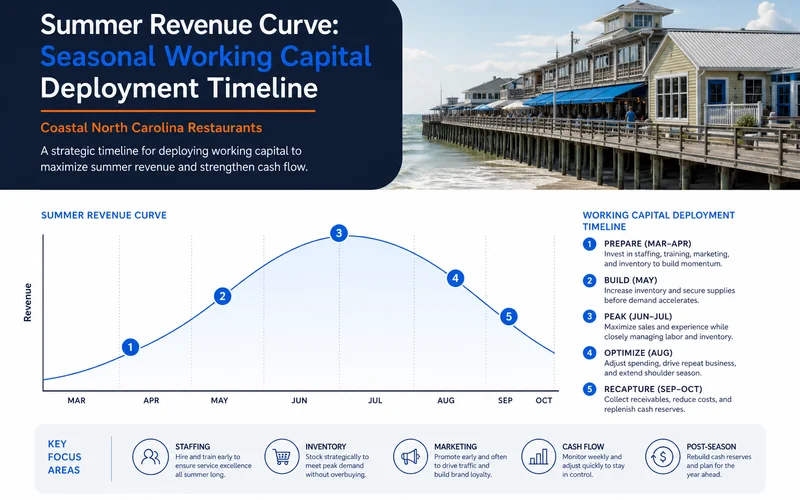
If you operate on the Crystal Coast, in Wilmington, or anywhere on the Outer Banks, the math of the summer season is familiar. The window from Memorial Day through Labor Day pays the year. Get it right and the off-season is comfortable; get it wrong and you’re scrambling to cover January through April.
What separates the operators who get it right is rarely the menu or the location — it’s the working capital strategy heading into peak season. Here’s what we’ve seen working for coastal NC operators in 2026.
Stock Inventory Before the Bridge Gets Busy
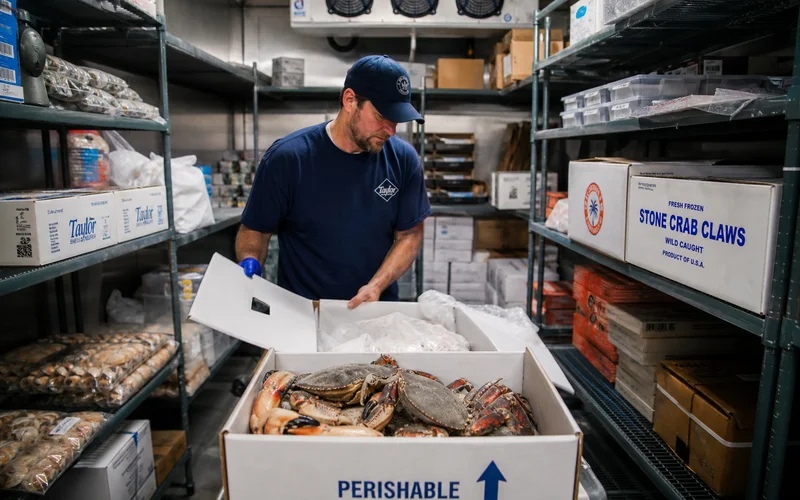
The single most preventable mistake we see coastal operators make is under-stocking inventory before the season actually starts. By the time peak weekends are pulling 2x the off-season volume, your distributors are slammed, prices are at their peak, and you’re competing with every other coastal kitchen for the same allocation of seafood, beer, and produce.
The operators who pre-stock in late May — using working capital to fund the buying — go into peak season with inventory in the walk-in instead of orders pending at the dock. Two weeks of buffer is the typical target. A $25K–$75K working capital draw, repaid over the summer revenue spike, often pays for itself in better margin (locked-in pre-season pricing) and zero stock-outs (lost revenue on busy nights).
Hire Staff Before You Need Them
The second mistake: waiting until June to hire summer staff. The coastal labor market is one of the tightest in NC restaurants. Pay rates climb fast as season starts; the best candidates take jobs early. Operators who hire in mid-May at slightly higher rates than mid-April get better staff at a smaller premium than the operators who wait until June and pay peak.
Working capital covers the gap. Early-hire payroll — bringing on three or four extras two weeks before they’re fully revenue-productive — is the kind of cash deployment that working capital is built for. A 12-month working capital loan that funds that early hiring window typically gets repaid by July with cash flow to spare.
Fund the Maintenance Before Service Pressure Hits
Walk-in coolers, hood ventilation, dishwashers, ranges — the equipment that fails most often during peak season is the equipment that’s been quietly stressed all year. Operators who use a chunk of pre-season working capital to do preventive maintenance and replace the units that are already on the edge avoid the catastrophic failures that cost a weekend (or a week) of service.
The math is clear
A $3,000 preventive maintenance program in May beats a $25,000 emergency replacement in July — both in capital and in the operational cost of mid-season downtime.
A working capital loan deployed in May for preventive maintenance and edge-case equipment replacement is one of the highest-ROI uses of summer capital we see.
The Repayment Curve Works for You
Here’s the part coastal operators sometimes miss: a 12 or 18-month working capital term repaid over the summer revenue curve is easier to service than the same loan repaid flat across the year. Coastal operators with strong summer revenue can carry a fixed monthly payment without strain in June–September; the same payment in February is harder. We structure terms so the payment schedule fits the revenue, not the calendar.
That’s the difference between a working capital loan that helps the season and one that creates winter stress. Talk to us about how to structure it.
Bottom Line
Summer 2026 is here. The operators who use working capital strategically in late May and early June will out-perform the ones who try to “earn their way” through the season without pre-funding. Inventory, staffing, maintenance — those are the levers.
Pre-qualify for coastal NC working capital in 60 seconds. Soft pull, no credit impact, funded in 1–3 days. Start at our working capital page or call (910) 685-8872.
Marcus Boyd
Financing Specialist
Marcus Boyd is a financing specialist at Restaurant Financing Pros NC, focused on matching North Carolina restaurant operators to the right loan, lease, or working-capital product across every credit tier.
✓ Commercial Finance Specialist