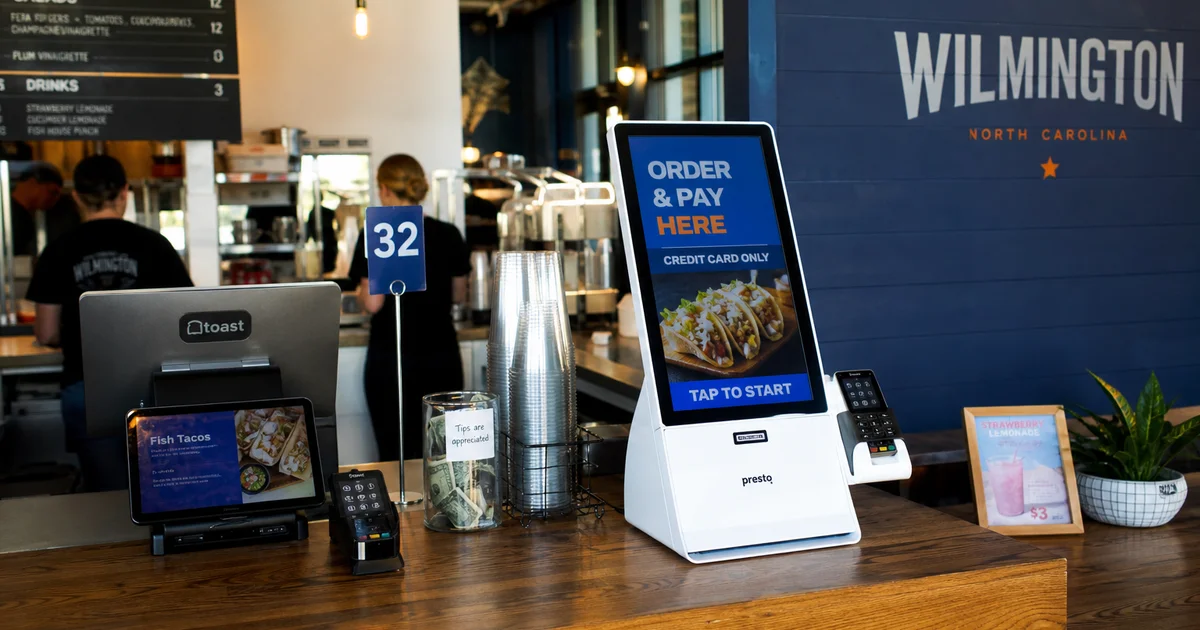
Why Restaurant Tech Has Its Own Financing Category
We understand the immediate sticker shock that independent operators face when pricing out a modern restaurant pos system financing package.
Upgrading an entire tech stack requires serious capital in 2026. The hardware alone can drain your cash reserves before opening day.
Our team at Restaurant Financing Pros NC helps North Carolina restaurant owners get the equipment and working capital they need to open, expand, and stay competitive.
This dedicated finance category bundles screens, software, and payment terminals into a single, predictable monthly payment. POS terminals, self-order kiosks, kitchen display systems, and the back-office software to run it all easily total $20,000 to $100,000 for a single location.
We structured our POS and technology financing to cover this full tech stack as a complete package. That approach gets your entire system approved at once without complicating your accounting.
What the Tech Stack Includes
A modern tech stack includes the complete network of front-of-house interfaces, kitchen order routing, and back-office management software. We see owners financing everything from handheld order-takers to massive inventory control databases.
Today, a fully equipped restaurant relies on dozens of synchronized devices. Brands like Toast, Square for Restaurants, and Lightspeed offer extensive ecosystems that require specific hardware.
Our financing plans wrap all these interconnected pieces together.
Front-of-house:
- POS terminals (counter and tableside)
- Self-order kiosks (counter or freestanding)
- Payment hardware (EMV chip readers, contactless terminals)
- Receipt printers and customer-facing displays
- Reservation and waitlist management hardware
Kitchen:
- Kitchen display systems (KDS) replacing paper tickets
- Heat lamps with integrated tech
- Order routing hardware
Back-of-house:
- Inventory management software and hardware (scanners, label printers)
- Labor scheduling and timekeeping systems
- Vendor management and ordering software
- Reporting and analytics platforms
All of this can be financed together as a single tech-stack package. You avoid the headache of managing multiple leases for different components.
We customize these packages to fit your specific operational layout.
A 2026 industry report highlights that 66% of US consumers now prefer self-service options. This data explains why restaurant kiosk financing is becoming a top priority for fast-casual startups.
Why Lease Structures Often Fit Tech
We frequently recommend lease structures to keep your restaurant running on current generation systems. Leasing fits technology perfectly because POS hardware and software depreciate much faster than standard kitchen equipment.
You need the flexibility to replace outdated screens before they slow down your service. Our clients use leases to manage these short lifespans without absorbing massive upfront losses.
A POS system that is brand-new today may be functionally outdated in three to five years. A self-order kiosk typically follows a five to seven year refresh cycle.
We guide operators to split their financing strategies to maximize operational flexibility. This depreciation profile makes a lease the smartest financial choice for rapid-turnover items.
If you want to compare ownership against leasing in detail, our EFA vs. lease vs. equipment loan guide breaks down how each structure affects cost and tax treatment.
- Lower upfront cost than ownership via an Equipment Finance Agreement or a traditional loan
- Built-in refresh path so you can upgrade to current-generation hardware at the end of the term
- Software included to wrap your SaaS licenses cleanly into the payment
- Service contracts and maintenance bundled directly into the lease
Ownership often wins on total cost for long-life kitchen equipment like walk-in coolers or commercial ranges. We structure these separate assets accordingly so you always have the best rates.
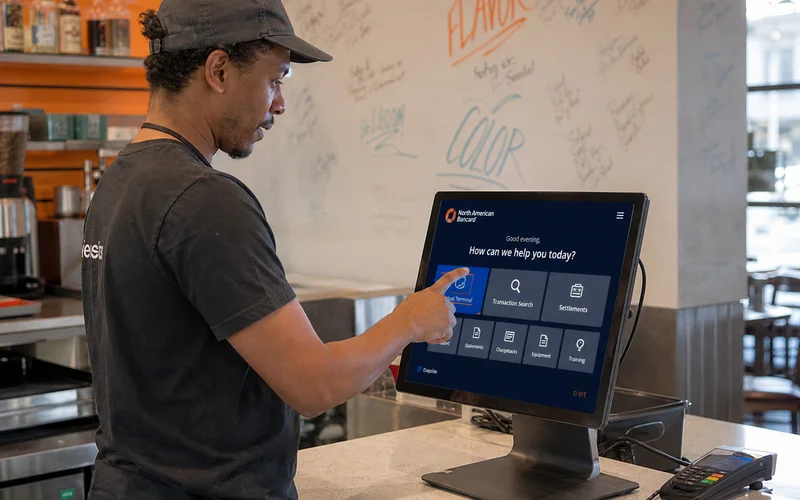
Standalone vs. Bundled
Operators typically choose between a standalone tech upgrade or bundling the system into a larger facility buildout. The right choice depends on whether you are simply replacing an old register or remodeling the entire restaurant.
We help you evaluate both paths based on your current cash flow. To make the best decision, you need to understand the distinct advantages of each approach.
The timeline and the required paperwork differ significantly between the two methods.
Our lending partners offer flexible terms for either scenario.
Standalone POS or tech financing. You are upgrading just the POS, the kiosks, or the back-office stack. There is no other major equipment change happening in the building.
We see this often when operators add pos terminal financing to support new tableside ordering. Standalone financing works cleanly. You pre-qualify, size the deal, and close fast.
Bundled into broader equipment financing. We consolidate these diverse assets into a single master agreement when you do a full kitchen refresh. Bundling everything into one structure simplifies closing and often improves your total terms. This strategy is ideal for startups needing a unified capital solution.
Cost Ranges
We track vendor prices closely to ensure your requested funding matches reality. Realistic cost ranges for restaurant tech in 2026 require budgeting for both physical hardware and ongoing software subscriptions.
A full tech stack for a mid-size restaurant will typically run between $30,000 and $80,000. Our team reviews your specific quotes to verify you are getting competitive terms.
Hardware expenses vary wildly based on the brand and the durability of the screens. Premium platforms like Toast, Square for Restaurants, and Lightspeed anchor the upper price ranges.
| Technology Component | 2026 Estimated Cost Range |
|---|---|
| Single POS terminal | $1,500 to $4,000 |
| Multi-terminal POS system (3-5 stations) | $8,000 to $25,000 |
| Self-order kiosks (each) | $4,000 to $10,000 |
| Kitchen display system (KDS) | $2,000 to $8,000 |
| Back-office software (annual) | $2,000 to $15,000 |
We recommend funding high-quality hardware to prevent kitchen failures during a rush. Industry data from 2026 shows that individual KDS screens cost roughly $200 to $1,000 each.
Specialized touchscreen prep monitors often push that upper limit toward $2,000. Our clients on tighter budgets usually start with basic cloud setups at the lower end of these ranges.
Multi-Unit Standardization
Standardizing tech across multiple locations streamlines your training and gives you unified reporting data. Funding a five-location POS refresh might total $100,000 to $400,000 depending on the platform and your site footprint.
We coordinate the financing so all your sites can refresh on the exact same timeline. Managing different systems at different stores creates massive operational friction.
A unified setup allows your regional managers to pull consolidated analytics from a single dashboard. Our large-scale funding packages are designed specifically for this type of rollout.
Standardizing your multi-unit technology stack provides several clear operational advantages:
- Centralized menu management to update prices across all locations instantly
- Unified labor tracking to monitor overtime and schedule shifts using a single backend system
- Consistent customer experience so loyalty programs work perfectly everywhere
- Simplified IT support to reduce the number of vendor contracts your managers juggle
By upgrading every site simultaneously, you avoid the nightmare of transferring staff between locations with mismatched registers. We highly recommend this unified approach because it gives you better bargaining power to negotiate bulk software discounts.
Growing brands must standardize early before expansion gets too difficult.
EMV and Compliance
Payment hardware compliance forces upgrades because failing to meet standards can result in massive financial penalties. We help operators secure the capital needed to replace non-compliant legacy machines immediately.
The strict requirements of PCI DSS 4.0 became fully mandatory for all merchants in early 2025. Current 2026 enforcement data shows that PCI non-compliance fines can range from $5,000 to $100,000 per month.
Our financing solutions preserve your working capital while solving these security liabilities.
The move to contactless payment and updated EMV chip card requirements constantly drives equipment refresh cycles due to several strict mandates:
- PCI DSS 4.0 enforcement requiring updated physical hardware for all transactions
- End-of-life status for older “v5” terminal devices which can no longer be legally deployed
- Contactless payment shifts demanding modern near-field communication readers
Operators whose POS hardware is more than five years old often face severe compliance pressure to upgrade. We ensure your new equipment loan covers the latest “v6” or “v7” secure hardware.
Delaying this upgrade puts your processing privileges and your business reputation at serious risk. You cannot afford to ignore these security deadlines in today’s digital landscape.
Next Step
We are ready to review your quotes and structure a plan that fits your cash flow.
Sizing a tech upgrade or a new POS deployment requires accurate numbers and a clear timeline. You need a trusted lending partner to map out the best capital strategy for your specific brand.
Our straightforward approval process gets you back to running your restaurant quickly.
Pre-qualify in 60 seconds or call (910) 685-8872 to talk through the structure. Upgrading your technology should solve problems, not create financial stress.